Content, Human Facts

Everyone has their own unique smell, except identical twins.
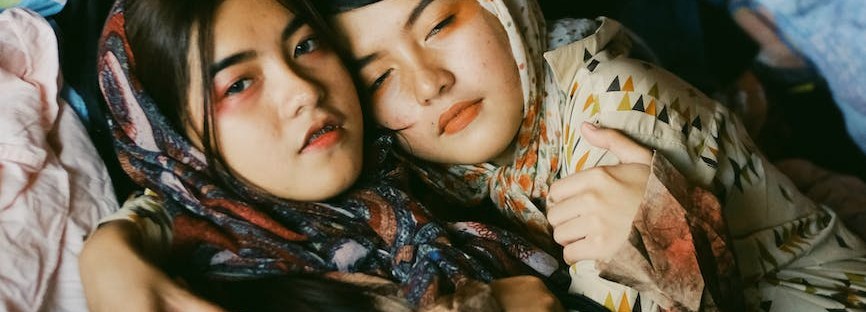
We all have our own unique smell, whether it be a pleasant scent or an unpleasant one. But what about identical twins? Do they share the same smell?

The answer is no. Identical twins may look the same, but their smell is unique to each individual. This is because each person has their own unique microbiome, which is the collection of bacteria, fungi, and other microorganisms that live on our skin. This microbiome is determined by a variety of factors, such as diet, lifestyle, and environment.

The microbiome of identical twins is not the same. This is because each twin has their own unique set of bacteria and microorganisms living on their skin. This means that even though they may look the same.

Identical twins, also known as monozygotic twins, are formed when a single fertilized egg splits in two, resulting in two genetically identical individuals. This means that identical twins have the same DNA, and therefore the same smell.

Although identical twins may look alike, their smells are not the same. This is because each individual has their own unique body chemistry, which is determined by a variety of factors such as diet, environment, and lifestyle. Even though identical twins may have the same genetic makeup.

Content, Human Facts

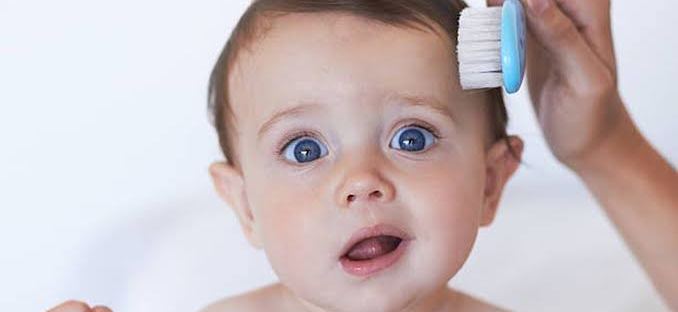
Most newborns lose all the hair they were born with by the time they’re six months old.

It is a common misconception that all newborns are born with a full head of hair. While some babies are born with a full head of hair, most newborns actually lose all the hair they were born with by the time they are six months old. This process is known as “balding” and is completely normal.

When a baby is born, they typically have a thin layer of fine, downy hair known as lanugo. This hair is usually white or light in color and is usually shed within the first few weeks of life. After the lanugo is shed, the baby’s scalp may appear bald or have a few sparse patches of hair. This is the beginning of the balding.

It is an exciting time for new parents when their little bundle of joy arrives. One of the many changes that parents will notice in their newborn is the amount of hair they have. Most newborns are born with a full head of hair, but by the time they reach six months old, they will have lost most of it.

The amount of hair a newborn has is determined by genetics, and can vary from baby to baby. Some babies may be born with a full head of hair, while others may have just a few wispy strands. Regardless of the amount of hair a newborn has, it is likely to fall out by the time they are six months old.

Rate Us 💫

Rating: 4.5 out of 5.
Content, Human Facts

Babies are born with more bones than adults.

Babies are born with more bones than adults, and it’s a fascinating fact that many people don’t know. While adults have 206 bones, babies are born with around 300 bones. This is because some of the bones in babies are made up of several smaller, separate bones that fuse together as they grow.

The most obvious example of this is the skull. In babies, the skull is made up of several separate bones that are connected by soft, flexible tissue. This allows the skull to be flexible and to expand as the brain grows. As the baby grows, these bones gradually fuse together to form a single, solid bone.The same process happens with other bones in the body.

In conclusion, babies are born with more bones than adults due to their growing bodies. As they grow and develop, some of these bones fuse together to create the 206 bones that adults typically have. Although this is a fascinating phenomenon, it is important for parents to be aware of the potential risks associated with having extra bones in the body. Parents should consult with their doctor if they have any concerns about their baby’s bone structure or health.